
Western South Dakota winters can drop well below zero in a matter of hours, and a pipe that freezes and bursts could release thousands of gallons of water into a house before anyone notices. The damage to floors, walls, and belongings is often far more expensive than the plumbing repair itself. The encouraging part is that frozen pipes are largely preventable. A few inexpensive steps taken in the fall, plus some habits for the coldest nights, will keep water flowing and your home dry. Here’s how to protect your plumbing before the next deep freeze.
Know Which Pipes Are Most Likely to Become Frozen Pipes
Pipes in unheated or exposed areas freeze first. Check exterior walls, attics, crawl spaces, garages, unfinished basements, and cabinets under sinks on outside walls. Outdoor spigots and any lines near vents, gaps, or drafts are especially vulnerable. Water inside a pipe can begin to freeze when temperatures hover around 20 degrees Fahrenheit or lower for an extended time, and wind can speed it up. Walk through the house this fall with a flashlight, note where pipes run through cold areas, and plan your insulation around them. Don’t forget kitchen and bathroom pipes along exterior walls, which can freeze even in a heated home when the wall is poorly insulated. A thermometer or smart sensor in the crawl space can warn you before temperatures reach the danger zone. Knowing where water lines are located also helps you respond quickly if one ever fails.
Insulate and Seal Before Temperatures Drop
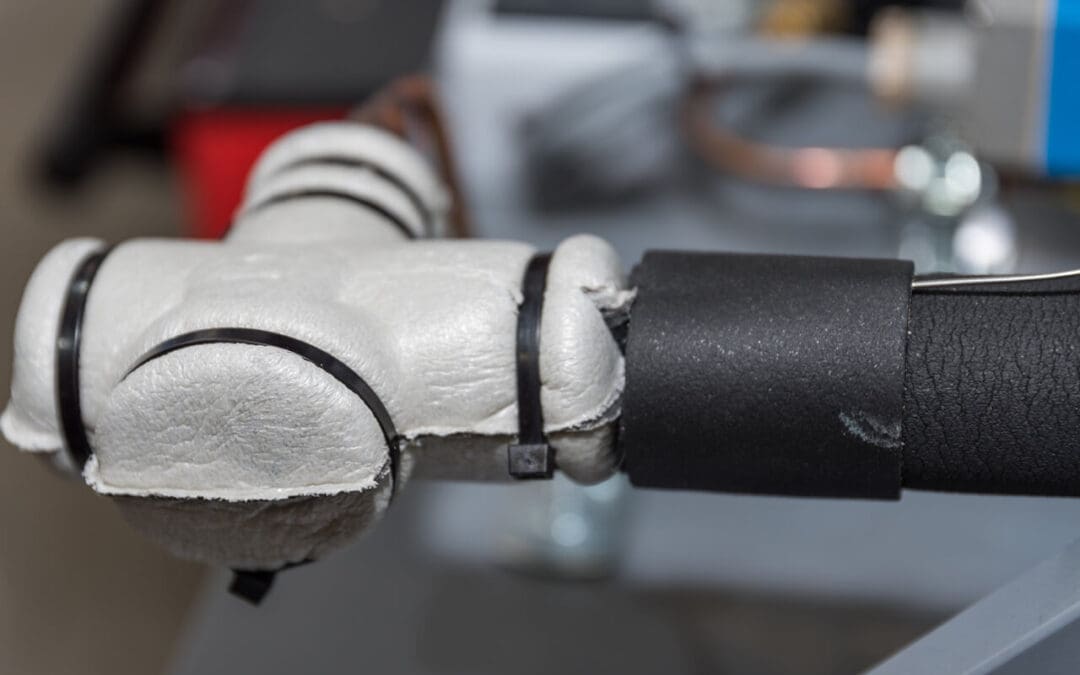
Frozen pipes often start where cold air leaks in. Wrap exposed pipes with foam sleeves or insulation, and seal gaps around where pipes enter the house with caulk or spray foam, including gaps at the rim joist where cold air commonly enters. Rapid City’s winter wind makes sealing especially important, because even a small opening can push cold air directly onto a pipe. Insulate crawl spaces and attics so the space around the pipes stays warmer. Disconnect garden hoses, shut off and drain outdoor lines, and cover faucets with insulated caps. For stubborn problem spots, thermostat-controlled heat tape can help, as long as it’s listed for the purpose and installed exactly as the instructions say. Keep garage doors closed, especially when plumbing runs through the garage.
Habits That Help Prevent Frozen Pipes on the Coldest Nights
When a deep freeze is forecast, a few habits make a big difference. Keep the thermostat set no lower than 55 degrees, even when you’re away. Open cabinet doors under sinks on exterior walls so warm air can reach the pipes. Let a faucet drip slightly overnight, since moving water is less likely to freeze and it relieves pressure in the line. Keep interior doors open so warm air can move through the house, and avoid turning the heat down more than a few degrees at night during extreme cold. Know where your main water shutoff is and make sure everyone in the household can operate it. If you leave town, ask someone to check the house daily.
What to Do If a Pipe Freezes
If a faucet slows to a trickle or stops, you may be dealing with frozen pipes. Leave the faucet open, and apply gentle heat with a hair dryer, heating pad, or warm towels, starting nearest the faucet and working back. Remember that a frozen pipe can burst as it thaws, so stay near the water shutoff while you work. Never use an open flame, torch, or propane heater, which can start a fire or damage the pipe. Check other taps for flow, since more than one line may be affected. If you can’t find or thaw the frozen section, call a plumber. If a pipe bursts, shut off the main valve right away, then photograph the damage for insurance before cleanup. If a cold snap catches you unprepared, a small space heater placed safely near vulnerable plumbing can help, as long as it’s never left unattended.
Frequently Asked Questions (FAQs)
At what temperature do pipes freeze?
Pipes can begin freezing when temperatures stay around 20 degrees Fahrenheit or lower for several hours, sooner with wind, poor insulation, or exposure to drafts.
Should I let faucets drip?
Yes, during extreme cold. Moving water is less likely to freeze, and the drip helps relieve pressure in the line between the blockage and the faucet.
Does heat tape work?
It can, if it’s listed for pipe use and installed per the manufacturer’s directions. Never overlap it or use damaged tape, because misuse creates a fire risk.
How warm should the house be when I’m away?
Not lower than 55 degrees. Ask someone to check the house regularly during cold snaps in case the heat fails.
Does insurance cover burst pipes?
Many policies cover sudden burst-pipe damage, but some exclude it if the heat was off or the home was unoccupied. Read your policy and call your agent.
Drew Inspection Service offers home inspections in South Dakota. If you’re buying or selling a home, contact us to request our services.
Recent Comments