
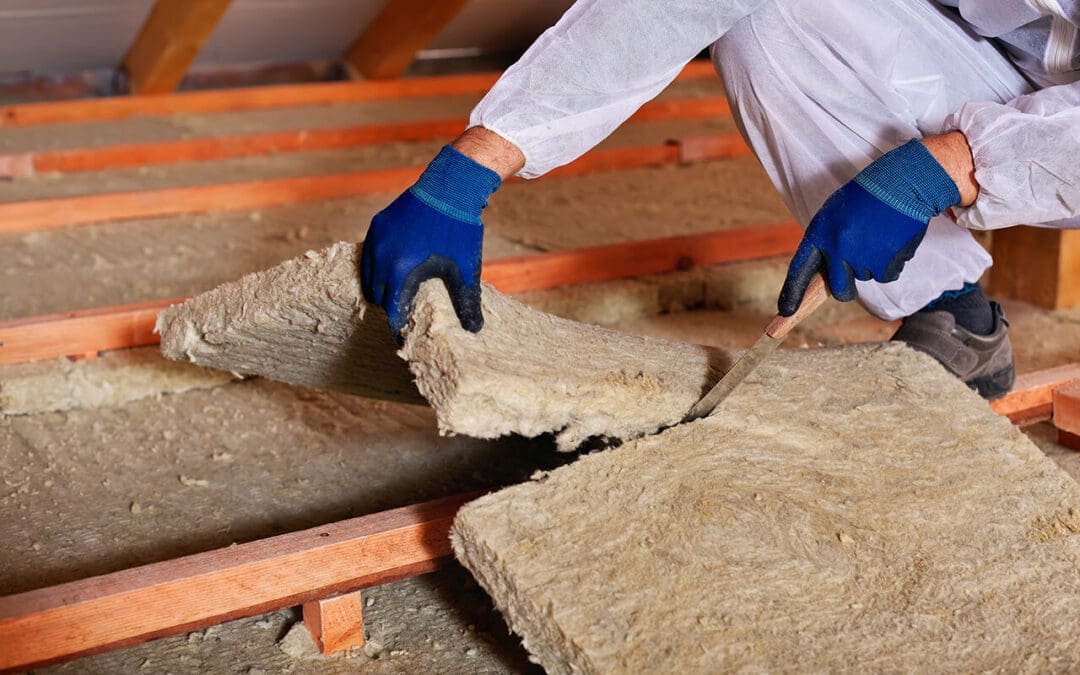
Unlike a leaking faucet or a broken appliance, inadequate home insulation doesn’t announce itself dramatically. It shows up as rooms that are always too hot or too cold, heating and cooling bills that seem unreasonably high, drafts that no one can quite locate, and moisture problems that seem to appear without explanation. Understanding what insulation does, where it matters most, and how to assess whether yours is doing its job is one of the most practical things a homeowner can invest time in.
What Home Insulation Actually Does and Why It Matters
Home insulation doesn’t generate heat or cold. It resists the transfer of heat between the interior and exterior of the home, slowing the rate at which conditioned air escapes and unconditioned air intrudes. The effectiveness of any insulation material is measured by its R-value; the higher the R-value, the greater the resistance to heat transfer. A well-insulated home requires its HVAC system to run less frequently to maintain comfort, directly reducing energy consumption and utility costs. A poorly insulated home requires the system to run almost continuously in extreme weather while still failing to maintain consistent comfort. The Department of Energy estimates homeowners can save ten to fifty percent on heating and cooling costs through proper insulation and air sealing. Insulation also provides acoustic performance, moisture management when combined with proper vapor barriers, and structural protection from the condensation and freeze-thaw cycles that inadequately insulated assemblies are more vulnerable to.
Where Home Insulation Matters Most
Not all locations in a home have equal thermal impact, and understanding where insulation performs its most critical role helps prioritize investments and inspections. The attic is the single highest-priority location for home insulation in most climates. Heat rises, and an attic with inadequate insulation allows conditioned air to escape in winter while allowing solar-heated attic air to radiate downward in summer. Current DOE recommendations range from R-30 to R-60 depending on climate zone, recommendations that many homes, particularly those built before the 1980s, don’t come close to meeting. Exterior walls represent a larger total surface area but are more difficult to access without renovation. Wall cavities in older homes may be unfilled or filled with materials that have settled and lost effectiveness. Blown-in insulation injected through small holes in the surface is a practical way to add home insulation to existing wall cavities without full demolition.
Crawl spaces and basements are the most frequently neglected home insulation locations and among the most consequential for overall building performance. An uninsulated crawl space allows cold air and ground moisture to enter the building assembly from below, affecting floor temperatures, indoor humidity, and ductwork performance. Encapsulating a crawl space addresses moisture and thermal performance simultaneously.
How to Tell if Your Insulation Needs Attention
The most direct assessment of home insulation performance is a professional energy audit that includes a blower door test, a diagnostic that measures the rate of air leakage from the home. Many utility companies offer subsidized energy audits, and the findings provide a prioritized roadmap for insulation and air sealing improvements. Short of a formal audit, observable indicators that home insulation may be inadequate include rooms consistently warmer or cooler than the thermostat setting, ice dams forming at the roof edge in winter, high energy bills relative to similar homes, and visible settling in attic insulation. The attic is the easiest space to visually assess; if the ceiling joists are visible above the insulation level, the attic almost certainly needs more.
Frequently Asked Questions (FAQs)
How do I know what R-value my home insulation should have?
The Department of Energy’s recommended R-values are based on climate zone and range significantly, from R-30 in warmer southern climates to R-60 in the coldest northern zones. The DOE’s website provides a zip-code-based tool that gives specific recommendations for your location broken down by attic, wall, floor, and crawl space.
What is the most cost-effective home insulation upgrade?
Adding insulation to an underinsulated attic consistently produces the highest return on investment of any insulation upgrade. The attic is the largest thermal loss area in most homes; installation is relatively inexpensive, and the performance improvement is immediate. Attic air sealing is done simultaneously and dramatically improves the effectiveness of the insulation added above it.
Does home insulation affect indoor air quality?
Indirectly, yes. A properly insulated and air-sealed home has better control over where air enters, allowing the ventilation system to condition and filter incoming air rather than drawing in unfiltered outdoor air through random gaps. For homes tightened significantly through insulation and air sealing improvements, ensuring that mechanical ventilation is adequate to maintain fresh air exchange is an important complementary step.
How long does home insulation last and when does it need to be replaced?
Most modern insulation materials have functional lifespans of many decades when properly installed and protected from moisture and physical damage. The primary reasons for premature degradation are moisture infiltration and pest activity in crawl spaces and attics. An inspection every five to ten years, combined with prompt attention to any roof leaks or moisture intrusion events, protects insulation performance over the long term.
Is spray foam the best home insulation material? Spray foam offers the highest R-value per inch and provides both insulation and air sealing in a single application, but it’s also the most expensive and requires professional installation. For attic floor application and most crawl space and wall applications, blown cellulose or fiberglass at appropriate depth achieves code-compliant R-values at significantly lower cost. The best home insulation material is the one that achieves the target R-value in the available space at a cost that allows the full scope of needed improvements to be completed.
Drew Inspection Service offers home inspections in South Dakota. If you’re buying or selling a home, contact us to request our services.