
Drafty windows are one of the most common sources of discomfort and energy loss in residential homes. Even small air leaks can make rooms feel colder in winter, warmer in summer, and harder to keep comfortable year-round. For homeowners, addressing drafty windows is not just about comfort; it also improves energy efficiency, protects interior finishes, and reduces unnecessary strain on heating and cooling systems.
Why Drafty Windows Are a Problem for Homeowners
Drafty windows allow outside air to enter the home and conditioned air to escape, creating temperature imbalances and forcing HVAC systems to work harder. This constant exchange of air could lead to higher utility bills and uneven heating or cooling throughout the house. Over time, moisture carried by drafts may cause condensation around window frames, leading to wood rot, peeling paint, and even mold growth. Left unaddressed, drafty windows quietly undermine both comfort and structural integrity.
Common Causes of Drafty Windows
Drafts develop for several reasons, many of which occur gradually. Aging weatherstripping, cracked or missing caulk, and deteriorated window seals are frequent contributors. In older homes, single-pane windows offer little insulation and are especially prone to air leakage. Structural settling may also shift window frames slightly, creating gaps that allow air to pass through. Understanding the causes helps homeowners determine whether repairs or upgrades are the best solution.
How to Identify Drafty Windows in Your Home
Identifying drafty windows often starts with simple observation. Cold air near windows, noticeable temperature differences between rooms, or curtains that move on calm days are common indicators. Condensation on glass or around frames can also signal air leakage. Homeowners may also notice that certain rooms are harder to heat or cool, even when the HVAC system is functioning correctly. Recognizing these signs early allows corrective action before energy loss becomes significant.
Fixing Drafty Windows with Sealing and Weatherproofing
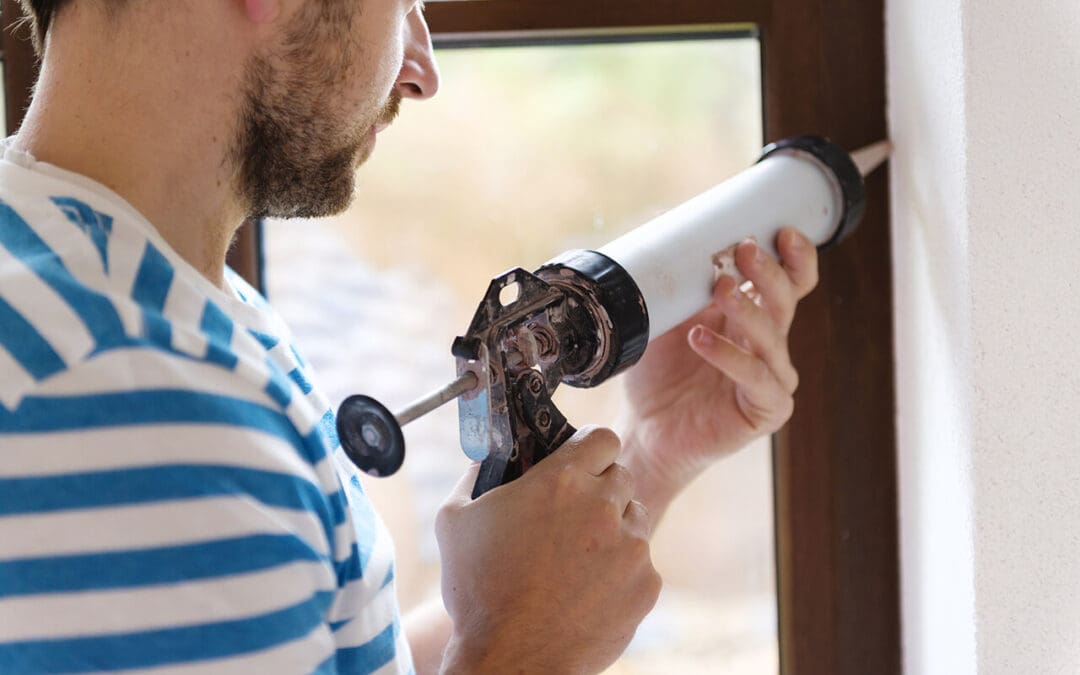
Sealing and weatherproofing are often the first and most cost-effective steps in fixing drafty windows. Reapplying caulk around window frames and replacing worn weatherstripping will dramatically reduce air infiltration. These improvements help stabilize indoor temperatures and improve overall comfort. When done correctly, sealing solutions extend the life of existing windows and deliver immediate energy savings without significant disruption.
Repair or Replace Drafty Windows
Not every drafty window needs to be replaced. Many can be restored through repairs such as resealing glass panes, adjusting hardware, or reinforcing frames. However, windows that are severely damaged, poorly insulated, or near the end of their lifespan may benefit from replacement. Modern windows are designed with improved insulation, tighter seals, and better materials, significantly reducing drafts. The decision whether to repair or replace should consider cost, energy performance, and long-term value.
Improving Efficiency Beyond Windows
While addressing drafty windows is important, overall home comfort improves when air sealing and insulation are addressed throughout the house. Gaps around doors, attic penetrations, and crawl spaces also contribute to drafts. When window improvements are combined with broader efficiency measures, homeowners often experience more consistent temperatures and reduced energy usage. This holistic approach ensures that efforts to fix drafts deliver lasting results.
When Professional Testing and Evaluation Are Important
Some draft issues are not easily detected without specialized tools. Professional testing, such as thermal imaging or air leakage assessments, will identify hidden problem areas and confirm the source of drafts. These evaluations are especially valuable when homeowners experience persistent comfort issues or rising energy bills despite basic repairs. Professional assessments provide clear data, helping homeowners invest in solutions that address the true cause of drafty windows rather than just the symptoms.
Fixing drafty windows is a practical step toward creating a more comfortable, efficient, and durable home. With proper identification, targeted repairs, and professional guidance when needed, homeowners will reduce energy loss and enjoy a more consistent indoor environment throughout the year.
Frequently Asked Questions
Do drafty windows significantly increase energy bills?
Yes. Even small drafts could lead to noticeable energy loss, forcing heating and cooling systems to run longer and increasing utility costs.
Are drafts only a problem in winter?
No. Drafts affect comfort year-round by allowing hot air in during summer and cold air in during winter.
Is window replacement always the best option?
Not always. Many windows can be improved with sealing, weatherstripping, or repairs, depending on their condition.
How do drafty windows affect indoor air quality?
Drafts can introduce outdoor pollutants, moisture, and allergens, impacting indoor air quality and comfort.
When should a professional evaluate windows?
Professional evaluation is recommended when drafts persist, moisture damage is present, or energy-efficiency concerns persist despite basic repairs.
Drew Inspection Service offers home inspections in South Dakota. If you’re buying or selling a home, contact us to request our services.
Recent Comments