
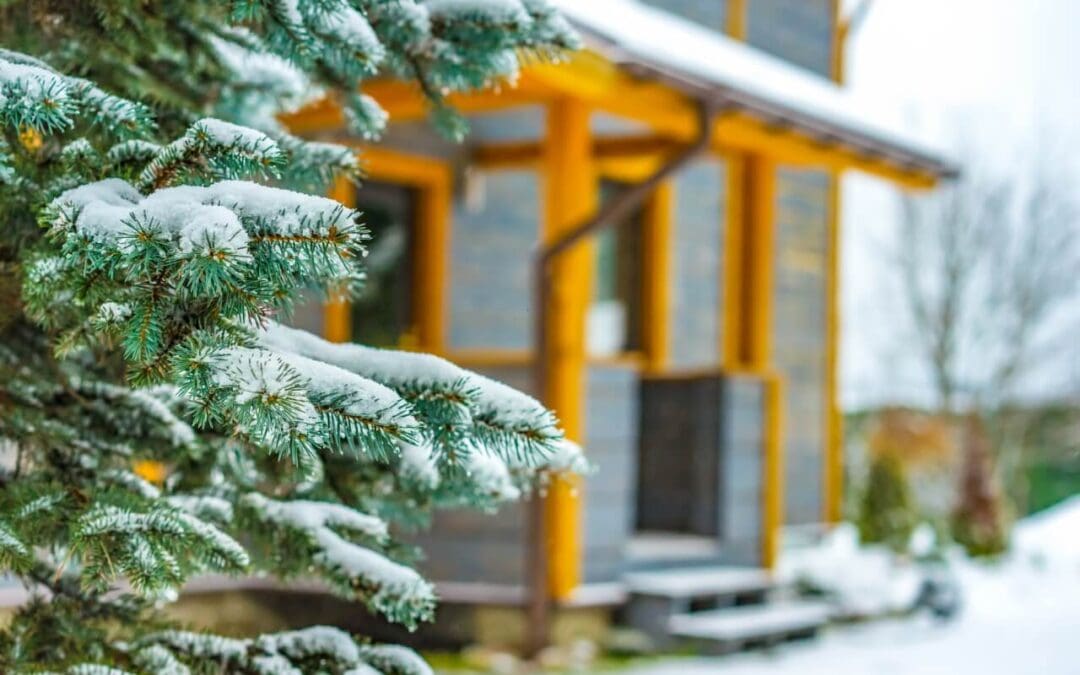
As temperatures drop and winter arrives, homes encounter unique challenges that may affect comfort, efficiency, and overall safety. Winter safety is more than just staying warm; it involves protecting a home from damage, preventing accidents, and ensuring an indoor environment remains healthy. With a thoughtful approach, homeowners will reduce seasonal risks while enjoying the quieter, cozier months that winter brings. Preparing early and understanding common cold-weather concerns makes winter safety far more manageable. From heating systems to walkways, each part of a home plays a role in keeping occupants safe throughout the season.
Winter Safety Practices for Safe and Efficient Heating
Reliable heat is central to winter safety, but heating systems pose risks if not properly maintained. Furnaces, boilers, and heat pumps work harder during winter months, increasing the importance of professional servicing and routine upkeep. Clean filters, unobstructed vents, and properly functioning thermostats help systems run efficiently and safely. Fireplaces and space heaters also deserve special attention. Chimneys should be clean and clear before use, while space heaters should always be placed on stable surfaces and kept away from flammable materials. Carbon monoxide detectors are especially critical during winter, as fuel-burning appliances and fireplaces are used more frequently. Proper heating practices not only support winter safety but also help prevent costly breakdowns and emergencies.
Winter Safety Tips for Preventing Slips and Falls
Slippery conditions are one of the most common winter hazards for both homeowners and visitors. Snow, ice, and freezing rain can quickly turn walkways and entryways into hazardous areas. Maintaining clear paths around the home is crucial for winter safety and reduces the likelihood of injuries. Prompt snow removal and regular ice management help keep surfaces safe. Outdoor lighting should be checked to ensure visibility during shorter daylight hours, particularly near steps and driveways. Inside the home, wet boots and melting snow may create slick floors, making entryway mats and frequent floor drying simple but effective safety measures.
Guarding Against Frozen Pipes and Water Damage
Frozen pipes are a primary concern during cold weather and could lead to significant water damage if they burst. Winter safety includes protecting plumbing by ensuring vulnerable pipes are insulated, and indoor temperatures remain consistent. Even brief cold snaps could cause issues if water is allowed to freeze inside pipes. Cabinets under sinks located on exterior walls may benefit from being left slightly open to allow warm air to circulate. Dripping faucets during extreme cold will help prevent freezing. Knowing where the main water shutoff valve is located adds an extra layer of winter safety in case an emergency arises.
Maintaining Indoor Air Quality During Winter
As windows stay closed and homes are sealed tighter for warmth, indoor air quality can suffer. Winter safety encompasses maintaining healthy air by regulating humidity levels and ensuring adequate ventilation. Dry air can irritate skin and respiratory systems, while excess humidity can contribute to condensation and mold growth. Using exhaust fans in kitchens and bathrooms helps control moisture, while humidifiers balance overly dry indoor air. Clean air filters and well-maintained HVAC systems contribute to a healthier indoor environment throughout winter, supporting both comfort and safety.
Winter Safety Steps for Preparing Your Home’s Exterior
A home’s exterior is constantly exposed to harsh winter elements. Roofs, gutters, and siding should be in good condition to handle snow and ice buildup. Loose shingles, clogged gutters, and damaged flashing could allow water intrusion, increasing the risk of leaks and structural damage. Tree branches that hang close to the home should be trimmed to reduce the chance of breakage under heavy snow or ice. Exterior preparation supports winter safety by minimizing the potential for unexpected damage during storms and freezing temperatures.
Focusing on safety creates a home environment that is not only warmer but also more secure. With proactive care and seasonal awareness, homeowners will confidently navigate winter knowing their home is prepared for whatever the season brings.
Frequently Asked Questions (FAQs)
Why is winter safety important for homeowners?
Winter safety helps prevent accidents, reduces the risk of home damage, and ensures heating systems and indoor environments function properly during colder months.
How can heating systems affect safety?
Poorly maintained heating systems could pose fire hazards, lead to carbon monoxide exposure, and result in unexpected breakdowns. Regular servicing improves efficiency and safety.
What areas of the home are most vulnerable in winter?
Heating systems, plumbing, roofs, walkways, and indoor air quality systems are especially vulnerable during winter and require extra attention.
How does winter weather impact indoor air quality?
Closed windows and increased heater use can trap pollutants and disrupt the humidity balance, making ventilation and air management crucial for winter safety.
Drew Inspection Service offers home inspections in South Dakota. If you’re buying or selling a home, contact us to request our services.
Recent Comments