
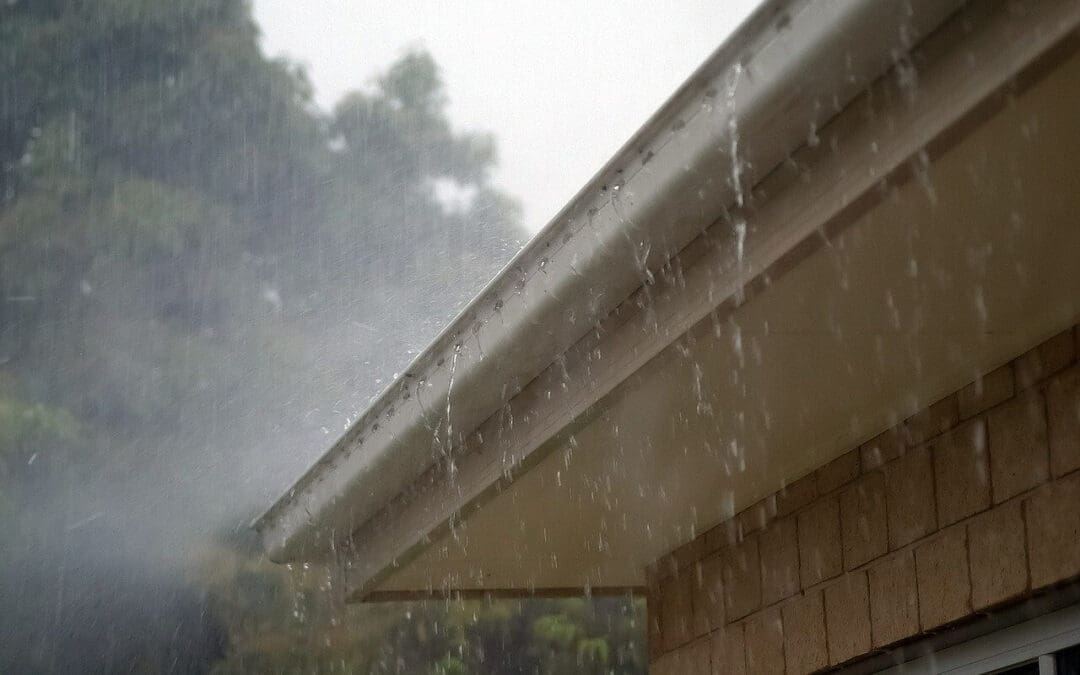
Water management is one of the most important and most underestimated aspects of maintaining a healthy home. Poor drainage leads to a cascade of problems, including foundation damage, soil erosion, mold growth, and landscape deterioration that often develop quietly over time. Taking deliberate steps to improve drainage protects your home’s structure, enhances the usability of your outdoor spaces, and prevents the kind of long-term damage that no homeowner wants to deal with.
Why Homeowners Need to Improve Drainage Proactively
Drainage issues rarely announce themselves immediately. Water pooling near the foundation, soggy patches in the yard, and wet basements are often the visible symptoms of a problem that has been building for months or years. By the time the damage is obvious, the cost to repair it is typically far greater than what prevention would have required. Excess moisture near the foundation weakens structural integrity, creates conditions for mold growth inside walls and crawl spaces, and accelerates the deterioration of landscaping and hardscaping alike. Improving drainage is a structural concern that directly impacts the long-term value and safety of the home.
Start With Proper Grading to Improve Drainage
The single most fundamental drainage fix is also the most straightforward, ensuring that the ground around your home slopes away from the foundation rather than toward it. Negative grading, where soil directs water toward the house, is one of the most common contributors to foundation moisture and basement leaks. Correcting grading typically involves adding and compacting soil around the perimeter of the home to establish a consistent downward slope. It’s not a glamorous fix, but proper grading is the foundation of every other drainage improvement you make and should always be addressed first.
Gutters, Downspouts, and Surface Water Management
A properly functioning gutter and downspout system is one of the most cost-effective tools available to improve drainage around any home. Gutters collect roof runoff and channel it away from the foundation. When gutters are clogged or downspouts discharge too close to the house, all of that water ends up exactly where it shouldn’t be. Clean gutters at least twice a year and inspect them after significant storms. Downspout extensions that carry water at least four to six feet from the foundation make a significant difference in how much moisture reaches the soil near the house. For homes in high-rainfall areas or with persistent overflow issues, upgrading to larger gutters or adding additional downspouts improves capacity and performance considerably.
Improve Drainage With French Drains and Dedicated Systems
For properties with persistent pooling, groundwater intrusion, or low-lying areas that collect water regardless of grading adjustments, a dedicated drainage system is often the most effective long-term solution. French drains, perforated pipes surrounded by gravel and wrapped in landscape fabric, capture groundwater and redirect it away from problem areas through gravity. They’re particularly effective for managing water in low spots, along fence lines, or beside retaining walls where surface grading alone can’t fully solve the problem.
Trench drains work well for capturing surface runoff from driveways, patios, and other hardscaped areas where water has nowhere to absorb. Dry wells provide a destination for collected water, allowing it to slowly disperse into the surrounding soil away from the home’s structure. The right system depends on the specific drainage challenge.
Landscaping Choices That Naturally Improve Drainage
Thoughtful landscaping decisions play a more significant role in drainage than most homeowners realize. Rain gardens, shallow, planted depressions designed to collect and filter runoff, are an attractive and functional solution for yards that receive consistent water from downspouts or neighboring properties. Native plants with deep root systems improve soil permeability and help absorb rainfall before it accumulates. Replacing impervious surfaces like solid concrete with permeable pavers, gravel, or open-cell materials allows water to infiltrate the ground rather than run off in concentrated flows. These landscaping choices improve drainage while adding visual interest and ecological value to the property.
Maintaining drainage systems is just as important as installing them. Debris, soil movement, and seasonal wear all reduce effectiveness over time. A quick inspection of gutters, downspouts, drains, and low-lying areas twice a year ensures everything continues to work as intended and catches developing problems before they become serious ones.
Frequently Asked Questions (FAQs)
What are the most common signs of poor drainage around a home?
Standing water that lingers more than a few hours after rain, soggy or consistently wet soil near the foundation, basement dampness or leaks, and visible soil erosion are all indicators that drainage needs to be addressed.
What is the easiest way to improve drainage without major construction?
Cleaning and extending downspouts, correcting soil grading around the foundation, and ensuring gutters are clear and functional are all high-impact improvements that require minimal investment.
Are French drains effective for all drainage problems?
French drains are highly effective for managing groundwater and redirecting pooling water in low-lying areas, but they work best when properly sized and installed with the correct slope and outlet placement. For surface runoff from hardscape areas, trench drains or permeable paving may be a better fit depending on the specific situation.
How often should drainage systems be inspected and maintained?
At least twice a year, with additional checks after heavy rainfall events.
Can poor drainage affect a home’s resale value?
Yes, significantly. Drainage problems visible during a home inspection raise red flags for buyers and lenders alike. Addressing drainage issues proactively protects both the structural integrity and the market value of the property.
Drew Inspection Service offers home inspections in South Dakota. If you’re buying or selling a home, contact us to request our services.