
Few property improvements involve as many variables as a new fence. Height, style, purpose, budget, neighborhood requirements, and climate all factor into the decision. The material you choose determines not just how the fence looks on day one, but how it performs over years of weather exposure, how much maintenance it demands, what it costs over its lifetime, and how well it holds up against the specific conditions of your property. Getting the fencing material right from the beginning saves significant time, money, and frustration compared to replacing a fence that wasn’t suited to its environment in the first place.
How to Match Fencing Material to Your Needs and Property
Before settling on a fencing material, be clear about what the fence is actually for. Privacy fences, decorative fences, security fences, pet containment fences, and pool code-compliant fences all have different height and design requirements that make some materials more appropriate than others. A material that’s perfect for a decorative front yard fence may be entirely wrong for a high-traffic dog run. Local HOA rules and municipal codes should be checked before any fence decision is finalized. Many communities regulate height, style, and specific materials. Understanding these requirements upfront prevents the frustrating situation of having to modify or remove a fence that doesn’t comply.
Wood Fencing Material: Classic Appeal With Maintenance Trade-offs
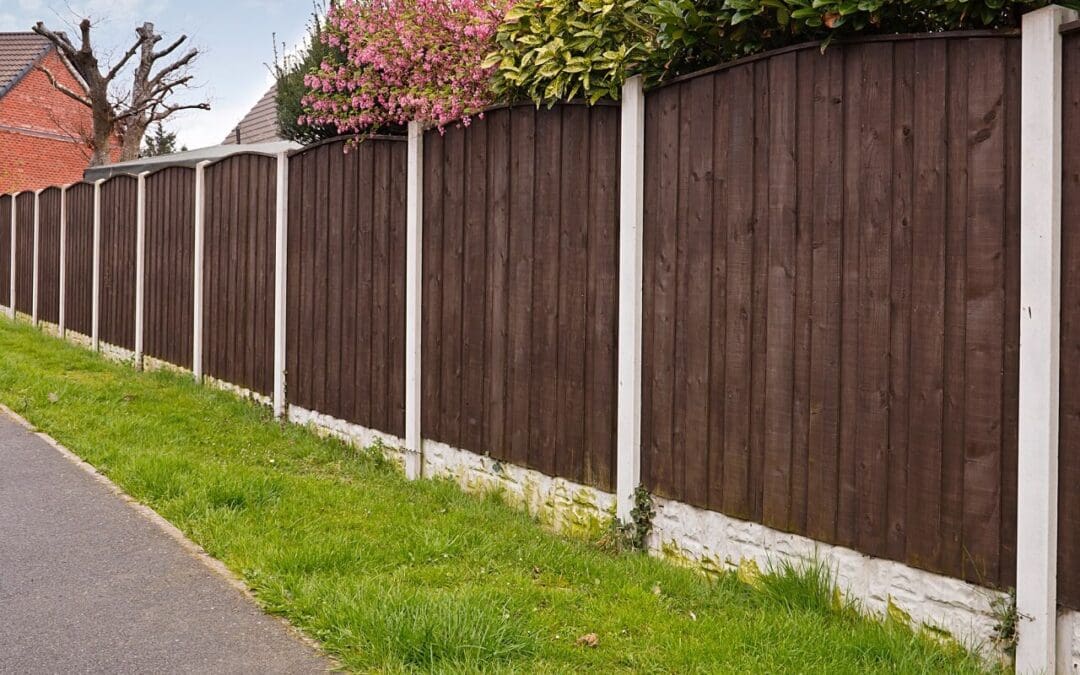
Wood remains the most widely used residential fencing material in the United States. It’s available in a wide range of styles, privacy, picket, split rail, board-on-board, is relatively easy to install, and accepts paint and stain beautifully, allowing customization that other materials don’t allow. The trade-off is maintenance. Wood fencing material requires regular staining or painting, prompt repair of damaged boards, and treatment against moisture and insects. Untreated wood deteriorates significantly faster than its potential lifespan. Cedar and redwood contain natural oils that resist rot and insects, making them substantially more durable than pressure-treated pine. Expect a quality wood fence to last 15 to 20 years with appropriate maintenance. In climates with high humidity or harsh winters, the maintenance demands and rate of deterioration are both amplified.
Vinyl and Aluminum for Low-Maintenance Properties
Vinyl fencing material has become increasingly popular because it eliminates the maintenance burden wood imposes. It doesn’t rot, splinter, or require painting, and it holds its color well over time. A vinyl fence washed periodically looks much the same in year 15 as it did at installation. The trade-offs are a higher upfront cost and the fact that it may crack in extreme cold. Aluminum fencing material offers an elegant, low-maintenance option well-suited for decorative applications, pool surrounds, and properties where visibility through the fence is desirable. It doesn’t rust, requires no painting, and withstands weather exposure very well. Aluminum isn’t typically the right choice for privacy or security applications, but for defining property lines or enclosing a pool, it’s an excellent-performing and attractive option.
Choosing Fencing Material That Balances Cost, Life Span, and Appearance
Chain link fencing material is the most economical option and one of the most durable; galvanized steel can last 20 to 30 years with minimal maintenance. It’s not a privacy solution, but for enclosing a backyard, containing pets, or securing a work area, it performs better over time than almost any other fencing material at its price point. Vinyl-coated chain link improves the appearance and adds corrosion resistance. Composite fencing material, a blend of wood fiber and recycled plastic, offers the appearance of wood with significantly reduced maintenance. It doesn’t rot, doesn’t require staining, and holds up well in wet climates. The upfront cost is higher than wood, but reduced lifetime maintenance makes it more competitive than the initial price suggests.
The best fencing material for any homeowner ultimately aligns with the purpose of the fence, the property’s conditions, the maintenance commitment the homeowner will realistically make, and the budget available for both installation and long-term upkeep.
Frequently Asked Questions (FAQs)
What is the most low-maintenance fencing material available?
Aluminum and vinyl are the two lowest-maintenance residential options. Both resist rust, rot, and insect damage without painting, staining, or significant treatment. Aluminum is ideal for decorative and pool applications; vinyl works well for privacy fencing.
Which fencing material is best for privacy?
Wood, vinyl, and composite are the primary materials used for privacy applications because they can be built with solid panels that block sightlines. Wood offers the most customization in style and finish; vinyl eliminates maintenance; composite splits the difference.
How does climate affect which fencing material I should choose?
Climate is one of the most important variables. In humid, wet climates, wood requires more frequent maintenance. In extreme cold, vinyl can become brittle. In coastal areas with salt air, aluminum and vinyl outperform metals prone to corrosion. In hot, dry climates, wood can warp and split without protection, making vinyl or composite more practical long-term choices.
How long does each fencing material typically last?
Lifespans vary by material and maintenance. Wood fences last 15 to 20 years with good maintenance. Vinyl fencing material typically lasts 20 to 30 years. Aluminum can last 30 to 40 years or more. Galvanized chain link runs 20 to 30-plus years. Composite fencing material generally falls in the 25 to 30-year range. In all cases, installation quality and climate conditions significantly affect where within these ranges a fence lands.
Do I need a permit to install a fence, and does fencing material affect the permit requirements?
Most municipalities require permits for fences above a certain height. The specific fencing material generally doesn’t affect permit requirements, but HOA regulations sometimes restrict acceptable materials and colors. Always check with your local building department and HOA before purchasing materials to avoid having to alter or remove a completed fence.
Drew Inspection Service offers home inspections in South Dakota. If you’re buying or selling a home, contact us to request our services.