
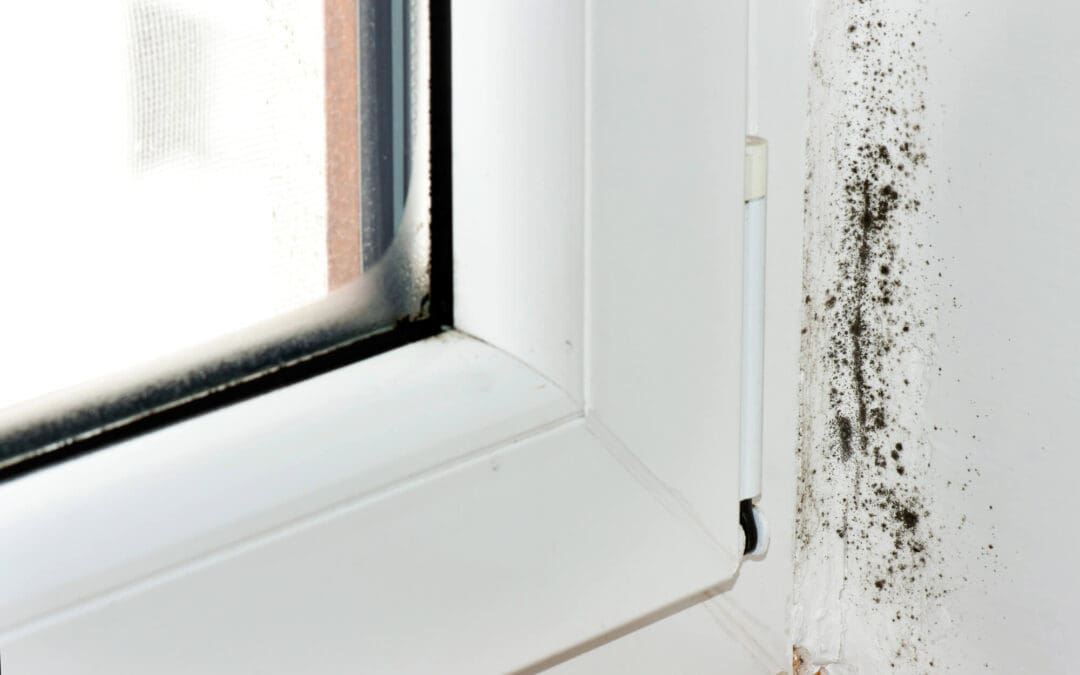
Mold tends to grow quietly in hidden corners, behind walls, and beneath surfaces where it can develop for months before a homeowner realizes anything is wrong. Knowing the signs of mold growth before it becomes a serious problem is one of the most valuable things a homeowner can do to protect both their property and their family’s health. Left unaddressed, mold causes structural damage, degrades air quality, and creates health issues ranging from persistent allergies to more serious respiratory conditions. Catching it early makes all the difference.
Why Recognizing the Signs of Mold Matters
Mold doesn’t just look unpleasant; it actively damages whatever it grows on, breaking down wood, drywall, and insulation over time. Mold thrives wherever moisture and warmth meet, making bathrooms, basements, kitchens, and areas around plumbing or roof leaks particularly vulnerable. The challenge is that visible mold is often just the surface indication of a larger problem growing in spaces you can’t easily see. Understanding what to look for and where to look gives homeowners the best chance of catching mold before it spreads beyond what targeted remediation can address.
Visible Growth Is One of the Most Obvious Signs of Mold
The most straightforward indication of a mold problem is visible growth, but mold doesn’t always look the way most people expect. While the classic image of black mold on a bathroom ceiling is familiar, mold also appears as white, green, gray, or brown patches that can be mistaken for dirt or discoloration. It may appear fuzzy, powdery, or slimy depending on the species and surface. Common locations include bathroom grout and caulk, window sills, ceiling corners in poorly ventilated rooms, around HVAC vents, and on basement walls. Any unexplained discoloration on a surface that tends to stay damp warrants a closer look.
A Persistent Musty Odor Can Signal Signs of Mold Before It’s Visible
One of the most reliable early warning signs of mold is a persistent musty or earthy smell. As it grows, mold produces compounds that create the distinctive damp, stale odor most people associate with it. If a room consistently smells musty despite regular cleaning, hidden mold growing behind walls, under flooring, or above ceiling tiles is a strong possibility. The smell tends to be most noticeable after a space has been closed up, first thing in the morning, or upon re-entering a room that has been shut for several hours.
Water Damage and Moisture Create the Conditions That Lead to Signs of Mold
Mold doesn’t grow without moisture, which means any history of water damage should be treated as a mold risk until proven otherwise. Staining on ceilings and walls, peeling or bubbling paint, warped flooring, and soft spots in drywall are all signs of moisture infiltration that create ideal conditions for mold growth. A slow plumbing leak under a sink, condensation around windows and pipes, and water infiltration through the foundation or roof are among the most common moisture sources that lead to mold development. Addressing the moisture source is just as important as treating existing mold; without fixing the underlying cause, it will return regardless of how thoroughly it’s cleaned.
Health Symptoms That May Indicate Signs of Mold in the Home
Sometimes the first indication of mold isn’t visual, it’s physical. Unexplained allergy symptoms that are worse indoors, persistent coughing or sneezing, irritated eyes, headaches, and fatigue that improves when away from home are all health signals worth taking seriously. If symptoms consistently worsen at home and improve elsewhere, a professional mold inspection is a worthwhile next step.
What to Do if You Find Mold in Your Home
Small, isolated areas of surface mold on non-porous materials can often be addressed with appropriate cleaning products and improved ventilation. Larger infestations, mold on porous materials like drywall and wood, and any mold associated with a structural water leak warrant professional remediation. A professional mold inspector will assess the full extent of the problem, identify hidden growth, and recommend a plan that addresses both the mold and the moisture conditions driving it.
Frequently Asked Questions (FAQs)
What are the most common signs of mold in a home?
Visible growth in damp areas, a persistent musty odor, water staining on walls and ceilings, peeling paint, and unexplained allergy or respiratory symptoms that improve when leaving the home are the most common indicators. Finding any combination of these warrants a closer inspection and prompt action.
How do I know if the mold in my home is dangerous?
All mold should be taken seriously; the idea that only black mold is dangerous is a common misconception. Health impact depends on the species, extent of growth, and sensitivity of those exposed. If you’re experiencing symptoms or mold covers a large area, a professional assessment is the most reliable way to understand the risk.
Can mold grow inside walls without being visible?
Yes, and it’s one of the most common ways significant problems develop undetected. A musty odor, water staining, or soft spots in drywall are all indirect signs that mold may be growing inside a wall cavity driven by a plumbing leak, roof leak, or condensation on cold surfaces within the wall assembly.
How do I prevent mold from coming back after remediation?
Controlling moisture is the most important long-term strategy. Fix plumbing leaks promptly, ensure adequate ventilation in bathrooms and kitchens, use a dehumidifier in damp spaces, and keep indoor humidity between 30 and 50 percent. Cleaning and drying any water-affected surfaces within 24 to 48 hours significantly reduces the risk of mold reestablishing itself.